Frequently Asked Questions (FAQ) – Borewell Contractors in St.Thomas Mount
- What services do borewell contractors provide?
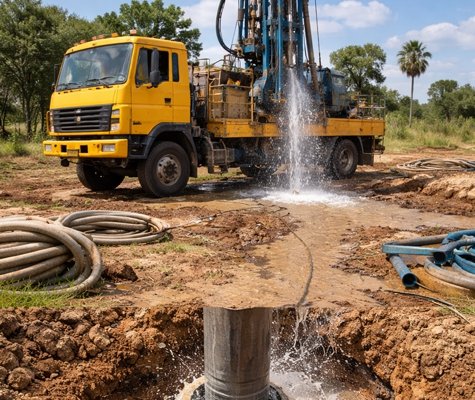
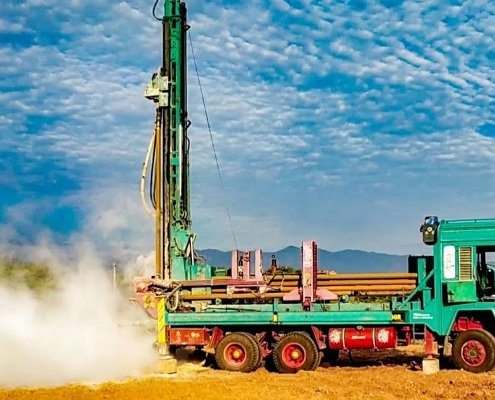
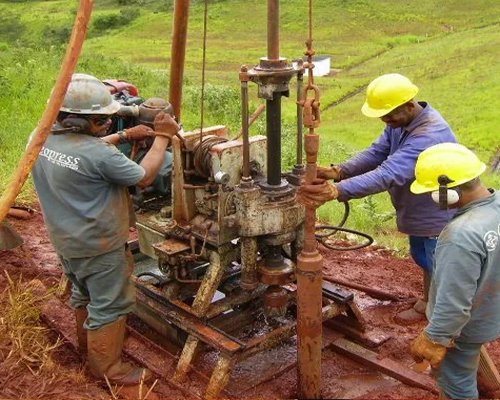
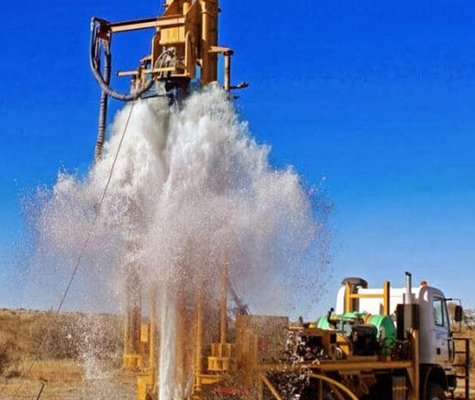
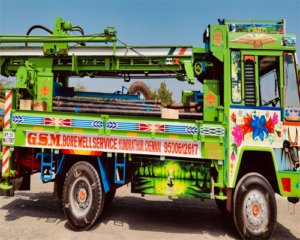
Borewell contractors offer borewell drilling, groundwater survey, casing pipe installation, borewell cleaning, flushing, submersible pump installation, maintenance, and repair services.
- How deep should a borewell be in St.Thomas Mount?
The depth of a borewell depends on the groundwater level and geological conditions of the area. Professional surveys help determine the required drilling depth.
- How much does borewell drilling cost in St.Thomas Mount?
The cost varies based on drilling depth, soil conditions, casing pipe requirements, and location. Contractors generally provide customized quotations after site inspection.
- Do I need permission to drill a borewell in St.Thomas Mount?
Depending on local regulations and project requirements, approvals may be required. Professional contractors can guide you through the necessary procedures.
- What is the ideal location for drilling a borewell?
A hydrogeological survey helps identify the best location with maximum groundwater potential and better water yield.
- How long does it take to complete borewell drilling?
Most borewell drilling projects can be completed within a day or two, depending on the drilling depth and site conditions.
- What types of casing pipes are used in borewells?
PVC casing pipes and mild steel (MS) casing pipes are commonly used to prevent borewell collapse and improve durability.
- Can borewell water be used for drinking?
Yes, borewell water can be used for drinking after proper water quality testing and treatment, if required.
- What is borewell flushing?
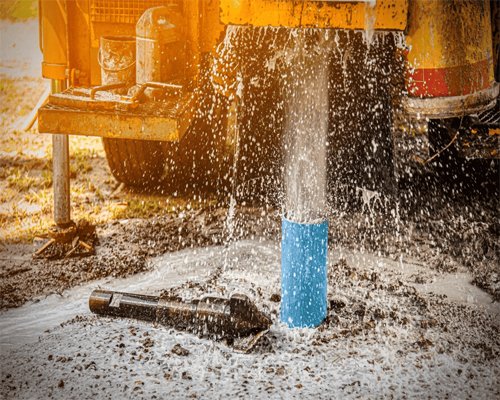
Borewell flushing is the process of removing mud, sand, and debris after drilling to improve water flow and borewell efficiency.
- Do you provide submersible pump installation services?
Yes, most borewell contractors offer complete submersible pump installation, testing, and commissioning services.
- How often should a borewell be cleaned?
Borewell cleaning is generally recommended when water yield decreases, water quality deteriorates, or sediment accumulation is observed.
- What causes low water yield in a borewell?
Low water yield can occur due to groundwater depletion, clogging, sediment buildup, damaged pumps, or geological changes.
- Can an old borewell be reactivated?
Yes, through cleaning, flushing, deepening, or rehabilitation techniques, many old borewells can be restored to improve performance.
- What is the lifespan of a borewell?
A properly maintained borewell can function efficiently for many years, depending on groundwater conditions and usage patterns.
- Why should I hire professional borewell contractors?
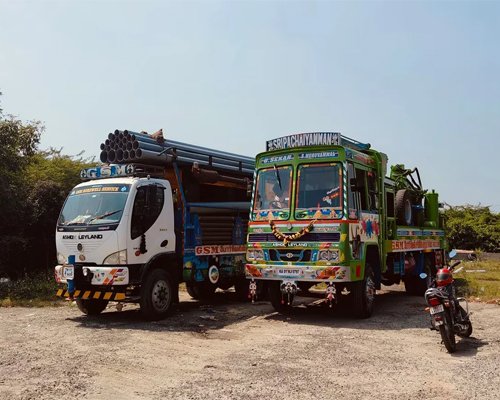
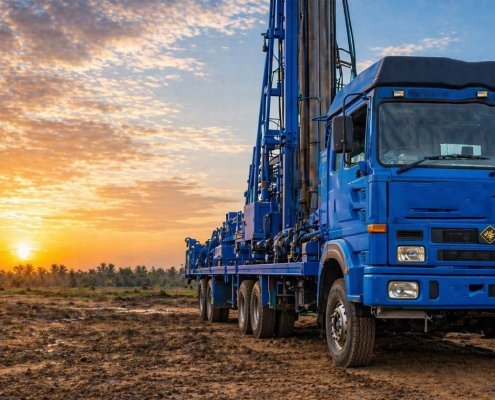
Professional borewell contractors use advanced drilling equipment, conduct proper surveys, ensure accurate installation, and help maximize water yield while minimizing project risks.